

Interculturality and environment (Interculturalidad y ambiente)
We seek to promote research, teaching and dissemination in an interdisciplinary way, around the ways in which indigenous societies and local communities produce and exchange knowledge, their relationship with the environment and other populations. We propose to contribute to informing citizen awareness and to generating proposals that contribute to improving relations with the State and society at large, from an intercultural perspective.
Coordinator: Yolanda Rodríguez González y Dra. Yolanda Rodríguez Gonzales
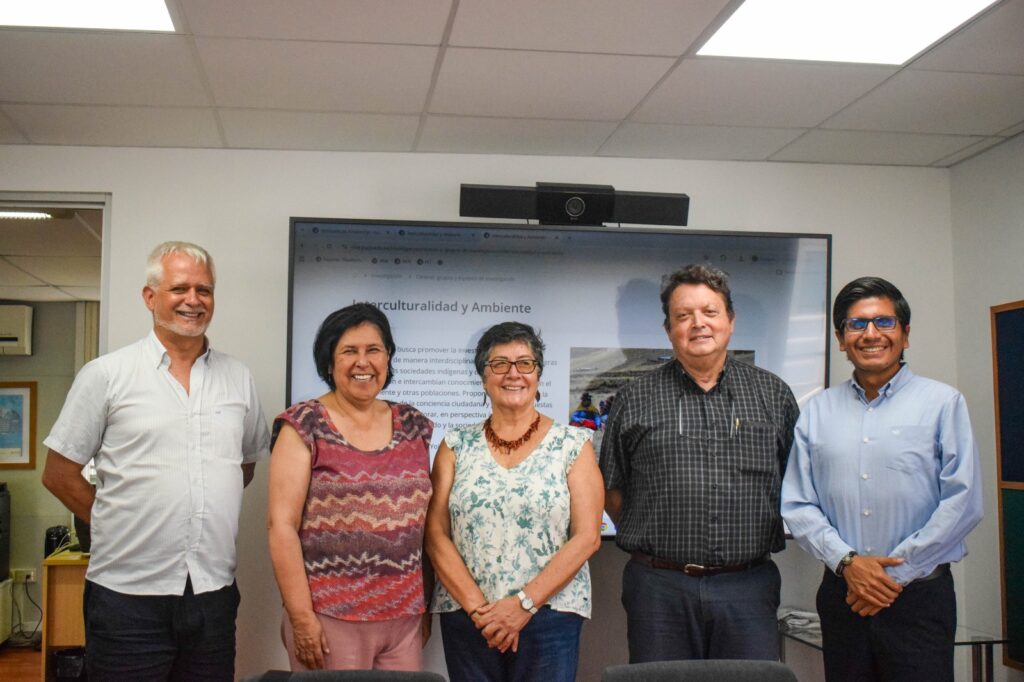
Presentation
Our society faces the need to achieve coexistence among human groups of different cultural origins, which must be considered to address existing environmental social conflicts.
In this context, we seek to promote interdisciplinary research, teaching and dissemination, around the ways in which indigenous societies and local communities produce and exchange knowledge, as well as their relationship with the environment and other populations. We propose to contribute to informing citizen awareness and to generating proposals that contribute to improving relations with the State and society at large from an intercultural perspective.
Objectives
- Promote interdisciplinary research on the ways in which indigenous societies and local communities produce knowledge, as well as the obstacles that hinder a true intercultural dialogue of knowledge.
- Contribute to informing citizen awareness around cultural and environmental rights in a dialogical perspective between different forms of knowledge.
- Promote student participation in different research or social responsibility activities in indigenous societies and local communities, in rural and urban areas, with different cultural traditions.
Research lines
- Epistemological aspects of intercultural conflicts in relation to the environment in the Amazon and Andean world.
- The ways in which indigenous societies and local communities produce and exchange knowledge, and dialogue with other forms of knowledge.
- Ethno-biology as a form of knowledge about the nature of Amazonian and Andean societies.
- Informing citizen awareness around cultural and environmental rights, favoring professional training that promotes a healthy environment and sustainable development from an intercultural perspective.
Team
Coordinator
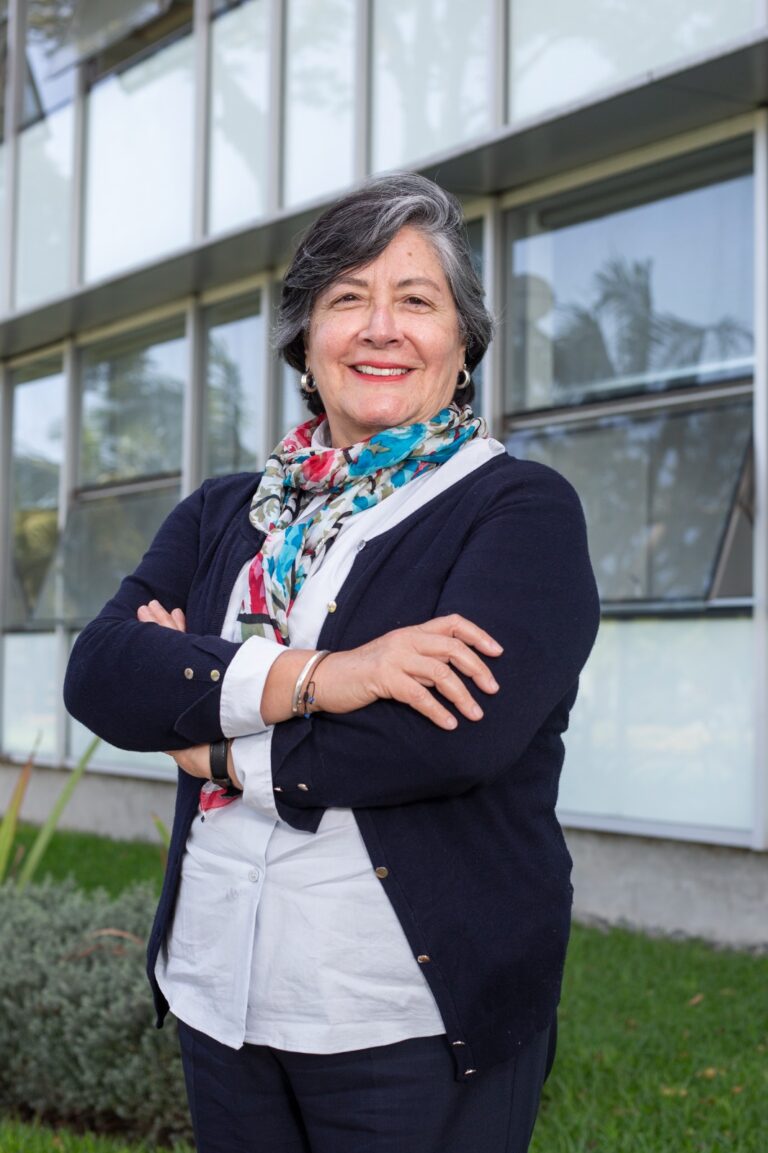
Yolanda Rodríguez González
- rodriguez.y@pucp.edu.pe
Researchers

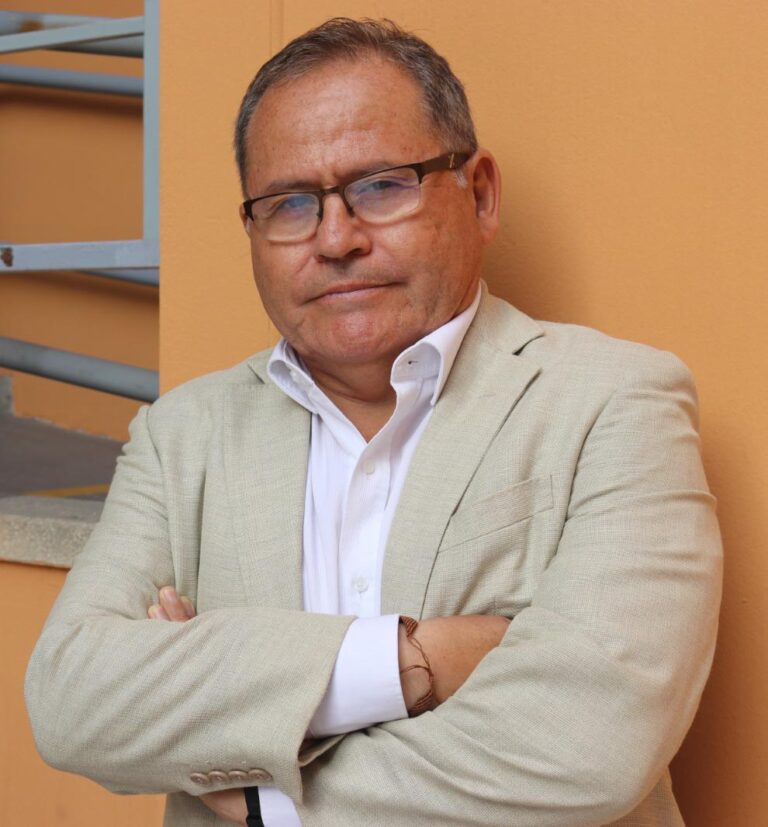

Fernando Roca Alcazar
- froca@pucp.pe

Víctor Santillán Leiba
- victor.santillan@pucp.pe

Maritza Mayo D`Àrrigo
Publicaciones
Describimos e ilustramos Zamia urarinorum, una nueva especie de cícada arborescente proveniente de bosques inundables en las cuencas de los ríos Tigrillo y Urituyacu, en Loreto, Perú. Es la única cícada conocida que habita bosques húmedos permanentemente anegados, un entorno único y ecológicamente desafiante.
Desde el punto de vista morfológico, la especie se asemeja más a Zamia multidentata, pero se diferencia tanto en características vegetativas como reproductivas. Entre las diferencias vegetativas se incluyen un menor número de hojas por tallo y folíolos más largos y estrechos, con dientes marginales restringidos a la porción distal.
Las diferencias reproductivas comprenden estróbilos masculinos (de polen) significativamente más pequeños, con un raquis tomentoso, y estróbilos femeninos con pedúnculos más cortos y semillas más pequeñas.
Asimismo, documentamos una ampliación del rango de distribución de Z. multidentata hacia el Perú, extendiendo su presencia conocida más allá de Acre, Brasil. Estos hallazgos resaltan la diversidad aún poco explorada de Zamia en la Amazonía y contribuyen a una comprensión creciente de su complejidad biogeográfica y ecológica.